Loading...
For a more sustainable world!
- Global
Operating in over 55 countries.
Connecting communities around the world - Send us an email
contact@fruitmapp.com
Make a difference - Support the Growth of Edible Cities
Your donation helps transform urban spaces into living, edible ecosystems — reconnecting people with nature, food, and each other.
Fruit Map supports the planting of native fruit trees in urban spaces and works with local communities and non-profits to ensure these trees are cared for long after they are planted.
Every planted tree is registered in the Fruit Map app, with open information about species and harvest seasons — helping people interact with urban fruit trees responsibly.
With more than 40,000 fruit trees already mapped worldwide and a growing community across 55+ countries, your support helps us expand edible biodiversity from around 100 to 3,000 fruit species, building healthier, fairer, and more resilient cities.
Donate now
By donating, you directly support the maintenance of our infrastructure and the continuous development of our open-source tools. Your contribution is processed securely and 100% of the value goes towards the project's sustainability and expansion.
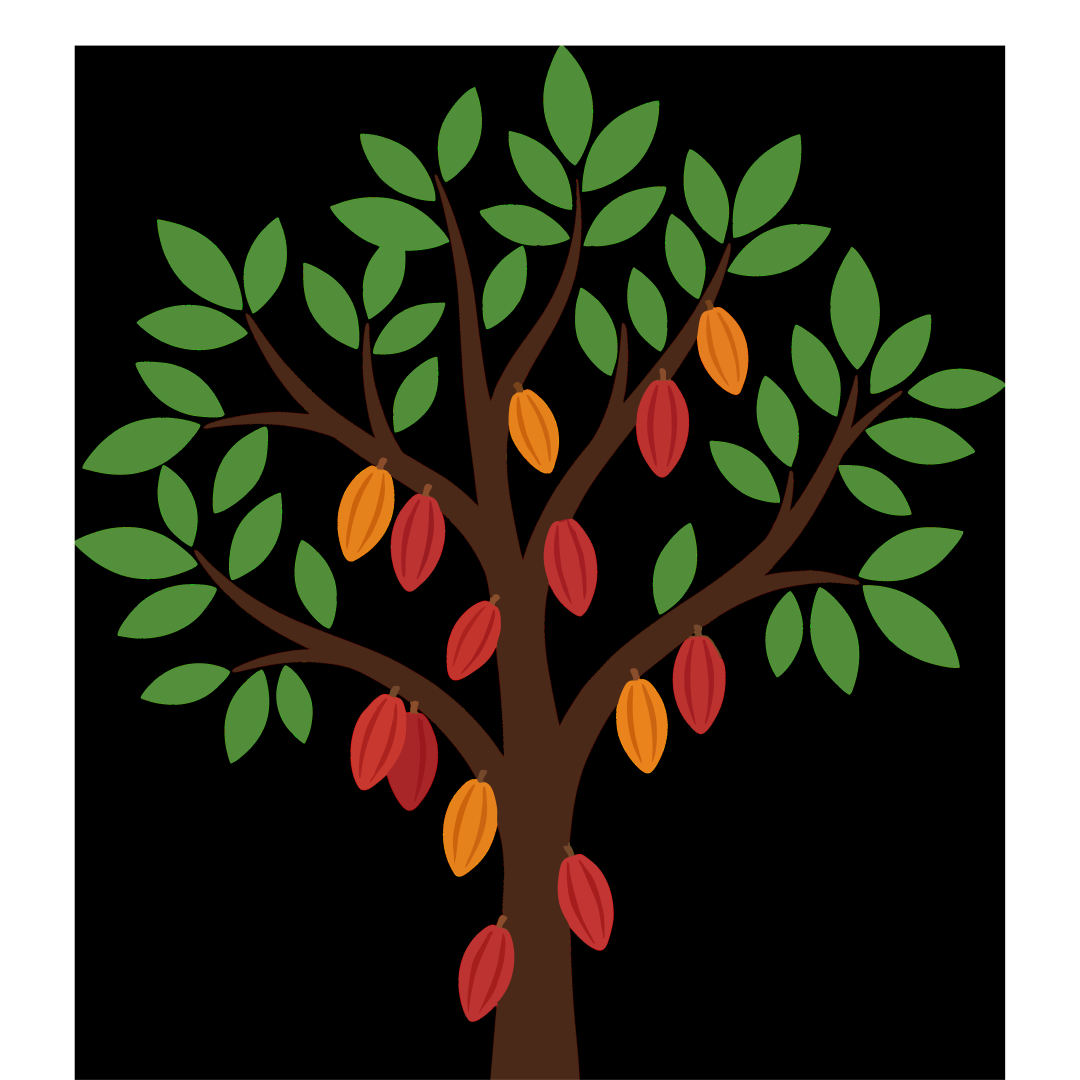

Why donations matter - What your support makes possible
Every donation helps turn digital mapping into real-world regeneration — planting trees, restoring urban spaces, and building a shared culture of care for nature in cities.
- Help Cities Grow Food Again. Your support helps turn concrete and neglected spaces into places where food grows, nature returns, and communities reconnect with their environment.
- Plant Native Fruit Trees Where People Live. Donations help plant native fruit trees in streets, parks, and shared urban spaces. Local residents are involved from day one — planting, caring for, and protecting the trees as part of their neighborhood.
- Heal Degraded Urban Areas with Local Partners. We work with trusted non-profit organizations to restore degraded and deforested urban areas, supporting tree acquisition, planting days, and long-term care so these spaces can thrive again.
- Care for Trees Beyond the Day They Are Planted. Planting is only the beginning. Donations support monitoring, seasonal information, and community guidance so fruit trees are respected, cared for, and harvested responsibly over time.
- Grow a Living Map of Urban Biodiversity. Fruit Map already connects more than 40,000 fruit trees worldwide, shared by people who care about their cities. With your help, we aim to expand from around 100 to 3,000 edible fruit species, celebrating local biodiversity, cultures, and food traditions across countries.
There are many ways to be part of this
Fruit Map grows through people who care. Whether by donating, mapping, sharing knowledge, or bringing others together, every action helps cities become more alive.
Map Trees That Matter to You
Add fruit trees and urban gardens you know to the map. Each tree shared helps someone discover food, shade, and nature in their daily life.
Share Local Food and Seasonal Knowledge
Help document fruit seasons, species, and responsible harvesting practices so communities can care for urban fruit trees respectfully.
Support Environmental Learning in Cities
Contribute to spreading awareness about urban biodiversity, food access, and the importance of caring for shared green spaces.
Connect Fruit Map to Your City or Organization
Help bring Fruit Map to schools, neighborhoods, NGOs, or municipalities interested in building greener, more edible cities.
Strengthen a Culture of Care
Support Fruit Map’s commitment to transparency, responsible use of public spaces, and long-term stewardship of urban nature.

Ready to explore the edible city?
Your donation helps turn urban spaces into living, edible ecosystems.
Support & Partnerships
- Global
Operating in over 55 countries.
Connecting communities around the world - Email us
contact@fruitmapp.org