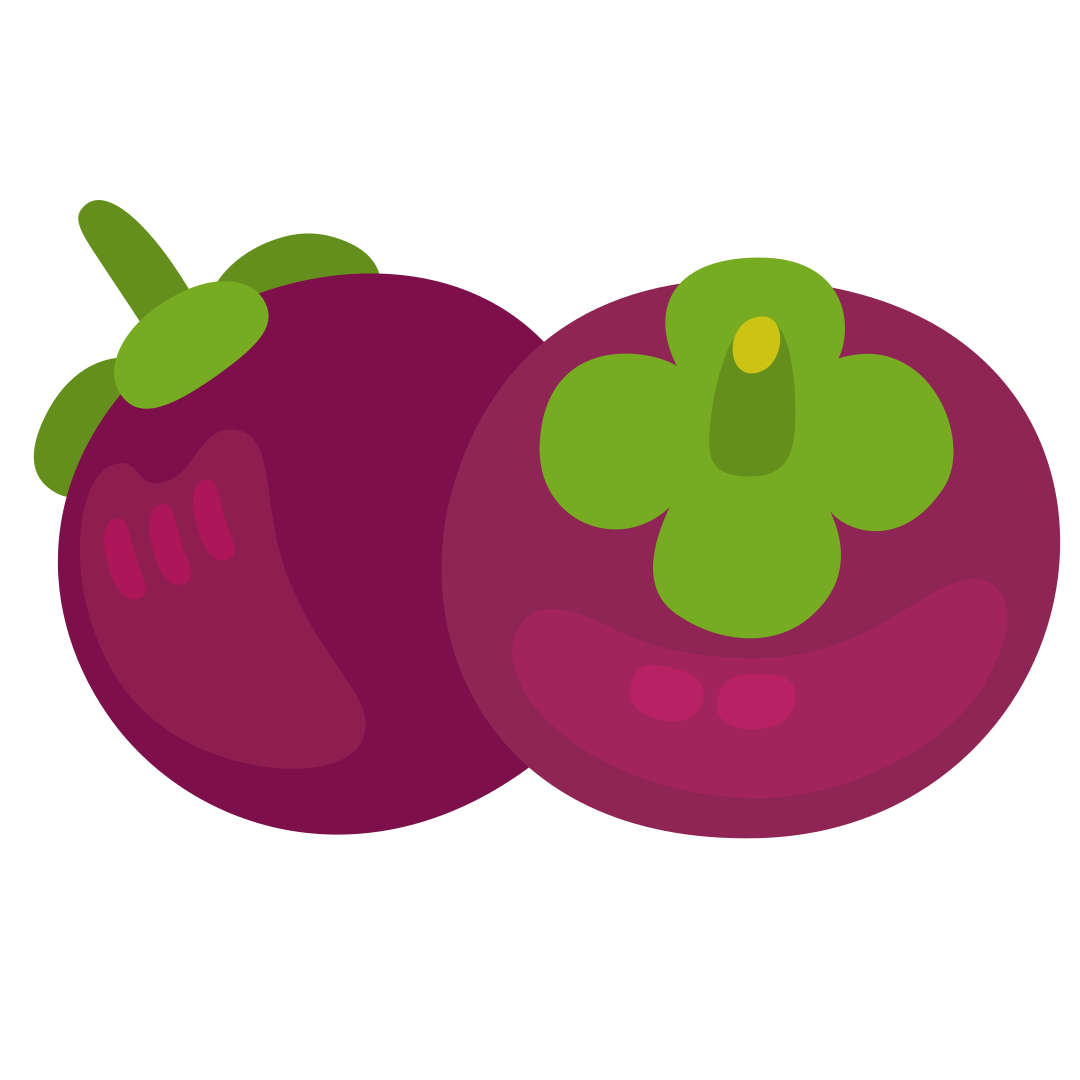
Persimmon
The persimmon is a fleshy berry with a thin skin, ranging from yellow-orange to red, with a globose, flattened, or conical shape and a persistent calyx. It is divided into two groups: Astringent (rich in tannins, must soften or be detanninized before consumption) and Non-Astringent (can be eaten firm, such as ‘Fuyu’). It is rich in carotenoids (pro-vitamin A) and dietary fiber.
Plant name
Persimmon Tree
Family
Ebenaceae
Scientific name
Diospyros kaki Thunb.
Japanese Persimmon
Main cultivated species
Diospyros virginiana L.
American Persimmon
Commonly used as rootstock
Diospyros lotus L.
European Persimmon
Commonly used as rootstock
About the fruit
The botanical name Diospyros comes from Greek and means “food of Zeus” or “divine food,” referring to the sweet flavor of the ripe fruit. Persimmon varieties are classified by astringency and pollination. Varieties such as ‘Hachiya’ and ‘Rama Forte’ are astringent and must be eaten soft or after detanninization, which converts soluble tannins into insoluble forms. Non-astringent varieties (like ‘Fuyu’) can be eaten firm, like an apple. The fruit is rich in natural sugars and carotenoids such as beta-cryptoxanthin, a powerful antioxidant.
Leaves
The persimmon tree thrives in temperate to subtropical climates. The winter leaf drop (deciduous habit) is an adaptation that allows the tree to withstand cold and frost. In some Asian cultures, persimmon leaves are used for medicinal purposes, such as treating cough and bronchitis (antitussive and astringent properties). High tannin content in young leaves and unripe fruits acts as a defense mechanism against predators.
Stem
The stem has dense, heavy wood typical of the Diospyros genus, with excellent mechanical strength.
The plant forms short, vigorous fruiting branches capable of supporting heavy fruits during maturation.
Annual pruning is essential to stimulate fruiting branch formation and regulate production.
Roots
The hardiness and longevity of the persimmon tree are supported by its deep root system. The Ebenaceae family is the same family of Ebony (Diospyros ebenum), known for its dense, dark wood. Selecting proper rootstocks is crucial for successful cultivation, especially in regions with varying soil conditions or phytosanitary issues. Persimmon trees prefer deep, slightly acidic, well-drained soils, as they do not tolerate waterlogging.
Seeds
Seeds have a hard seed coat, a well-developed embryo, and require cold stratification for uniform germination.
Plants grown from seeds show high genetic variability and are used mainly as rootstocks.
Commercial cultivars are maintained through grafting, ensuring uniformity in flavor, texture and harvest time.
Flowers
Although persimmon trees can have male and female flowers on separate trees (dioecious), the most common cultivars in Brazil, such as ‘Fuyu’, are parthenocarpic (produce seedless fruits even without pollination) and non-astringent. Other cultivars may require pollinizers. Flowering occurs in spring, and fruits ripen late in autumn or early winter, often remaining on the tree after leaf fall, creating a unique and ornamental visual effect.
Benefits
High Carotenoid Content
Persimmon is rich in Vitamin A precursors such as beta-carotene and beta-cryptoxanthin, essential for eye health, immunity, and skin maintenance.
Intestinal Health
It provides soluble and insoluble fibers that support healthy digestion, prevent constipation, and promote satiety.
Antioxidant Source
The ripe fruit contains phenolic compounds that protect cells from oxidative damage.
Rich in Minerals
It offers good levels of potassium, important for blood pressure regulation and muscle function.
Medicinal Astringency
Juice from unripe persimmons is used in folk medicine to treat diarrhea due to its astringent effect.
Curiosities
Name Origin
The word 'Persimmon' comes from the Japanese term 'Kaki', while the botanical name 'Diospyros' comes from Greek.
Fruit Varieties
Main groups include Chocolate Persimmon (variable astringency), Rama Forte (astringent until soft), and Fuyu (non-astringent, eaten firm).
Destannization Process
Astringent persimmons become edible after exposure to ethyl alcohol or carbon dioxide, which precipitates tannins and removes the puckering taste.
Ornamental Appeal
Persimmon trees often retain their fruits even after shedding all their leaves in autumn, making them visually striking in landscaping.
References
- 1.2018. Cultivation of the Persimmon Tree. EmbrapaCultivars, astringency, management
- 2.2016. Phenological Evaluation and Propagation of the Persimmon Tree. Federal University of Santa Maria (UFSM)Floral biology, root system
- 3.2022. Nutritional and Bioactive Compounds of Persimmon Fruit (Diospyros kaki). Journal of Food Science and TechnologyCarotenoids, fibers, tannins
- 4.Persimmon, chocolate type, raw. TACONutritional data
- 5.1995. Persimmon (Diospyros kaki): Botany and Horticulture. Nishiyama, I.
- 6.1984. Persimmon Culture in New Zealand. Kitagawa, H.; Glucina, P.G.
- 7.Persimmon Tree: Morphology, Propagation, and Management. Embrapa Temperate Climate
- 8.2002. Morphology and Physiology of Diospyros Species. Yonemoto, Y., Acta Horticulturae, ISHS