Diabetes and Fruit: How to Eat Without Spiking Blood Sugar
by Marcus Rodrigues
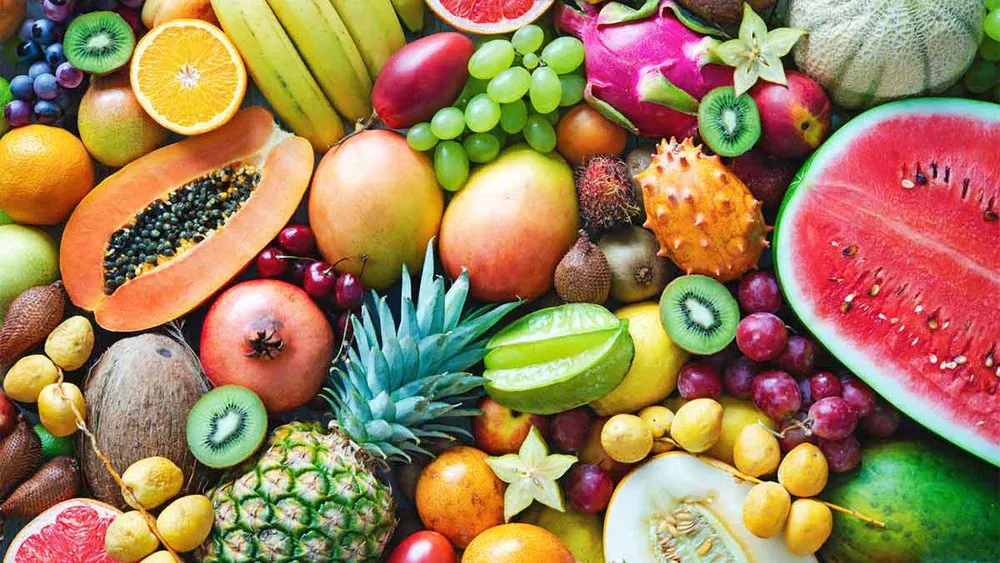
Diabetes and Fruit: How to Eat Without Spiking Blood Sugar
One of the most common questions for people with diabetes is simple: can I still eat fruit?
The evidence-based answer is yes.
Fruits aren’t just sources of sugar—they’re complete packages of fiber, antioxidants, and phytochemicals that can even help protect cardiovascular health. The issue isn’t the fruit itself, but how it’s consumed.
The key isn’t restriction—it’s strategy.
Speed vs. Impact: What Really Matters
To understand how fruit affects blood sugar, two concepts are essential.
The glycemic index (GI) indicates how quickly sugar enters the bloodstream. Some fruits, like apples, release sugar more slowly. Others, like watermelon, act faster.
But that alone doesn’t tell the whole story.
Glycemic load (GL) also considers the quantity consumed. This is where it gets interesting: even fruits with a high GI can have a low real impact when eaten in appropriate portions. Watermelon is a classic example—it raises blood sugar quickly, but in small amounts, the overall effect is limited.
So it’s not just about which fruit—but how much and how you eat it.
The Strategy That Changes Everything: Don’t Eat Fruit Alone

The biggest mistake when it comes to fruit consumption for people with diabetes is eating it in isolation.
When eaten alone—especially higher-GI fruits—glucose tends to rise more quickly. The solution is simple: slow down absorption.
There are two main ways to do this:
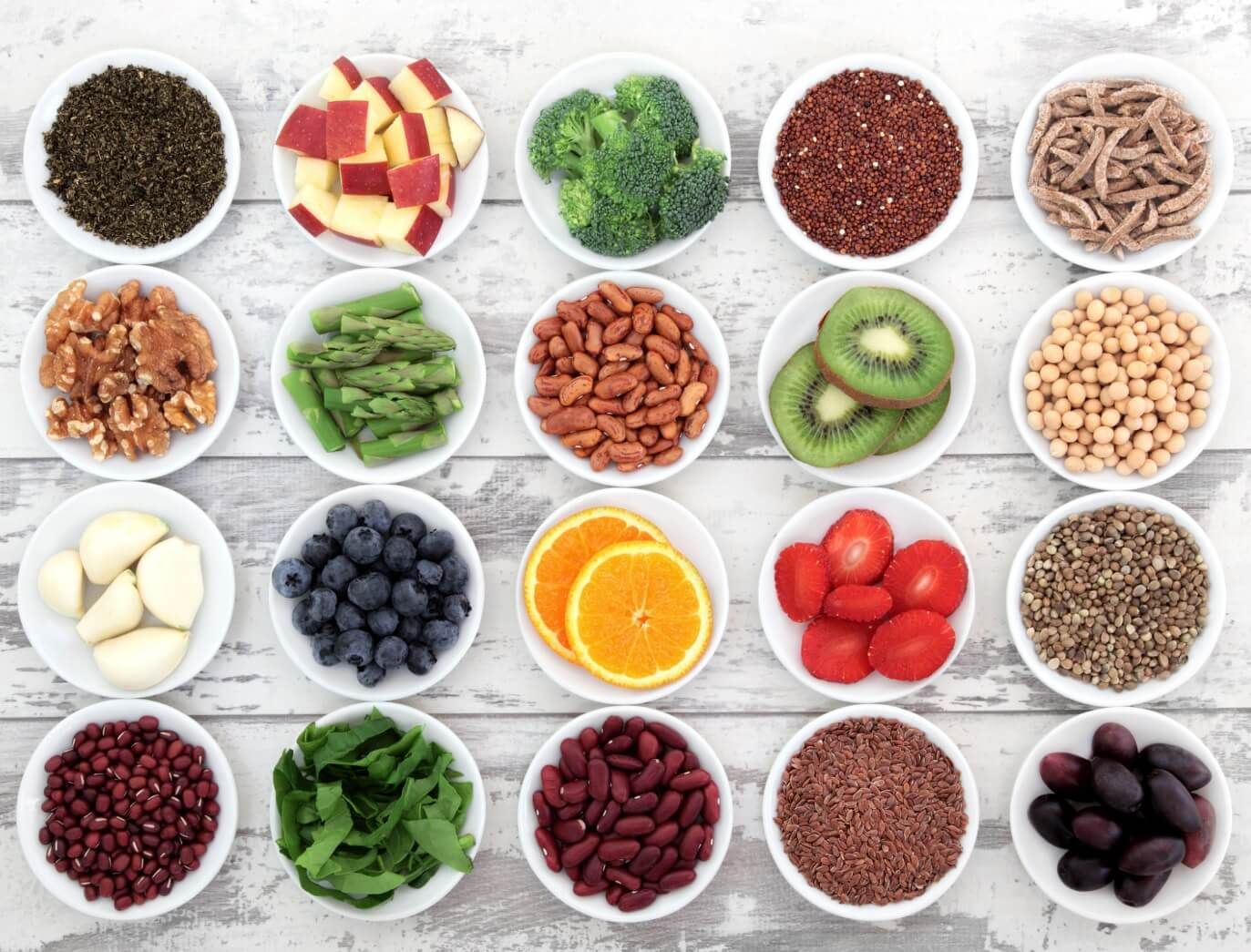
- Add more fiber: eat fruit with the skin or include chia or flaxseeds to slow digestion
- Combine with protein or healthy fats: foods like plain yogurt, cheese, or nuts help slow gastric emptying and create a more stable blood sugar response
In practice, small changes make a big difference.
Smart Choices (Without Extremes)
Some fruits naturally support glycemic control, such as strawberries, cherries, avocado, guava, and pitanga. But that doesn’t mean others are off-limits.
The key concept is individual variability.
Each body responds differently, so dietary planning should always follow personalized guidance. Portion sizes, timing, and combinations should be adjusted with professional support.
Also, any significant dietary change—especially for those using insulin or medication—should be aligned with a healthcare provider.
What Actually Works: Pay Attention to Your Own Body
More important than memorizing lists is understanding how your body responds.
Blood glucose monitoring helps you identify which fruits work best for you, in what quantities, and at what times of day.
This turns nutrition into something practical and personalized—not a rigid set of rules.
📍 Practical tip: using Fruit Map to find fresh, seasonal fruits increases your chances of consuming foods with better integrity and higher fiber content—directly supporting blood sugar control.
To Remember
Fruit isn’t the enemy—lack of strategy is.
Knowing how to combine and portion it is what keeps things balanced.
References:
American Diabetes Association (ADA). Standards of Medical Care in Diabetes—2024;
Foster-Powell, K. et al. International tables of glycemic index and load. The American Journal of Clinical Nutrition, 2002;
Mahan, L. K.; Raymond, J. L. Krause’s Food & the Nutrition Care Process, 2018;
NEPA/UNICAMP. Brazilian Food Composition Table (TACO), 2011;
Brazilian Diabetes Society (SBD). Guidelines 2023.