Fruit Across Life: A Presence That Reinvents Itself
by Marcus Rodrigues
Fruit Across Life: A Presence That Reinvents Itself
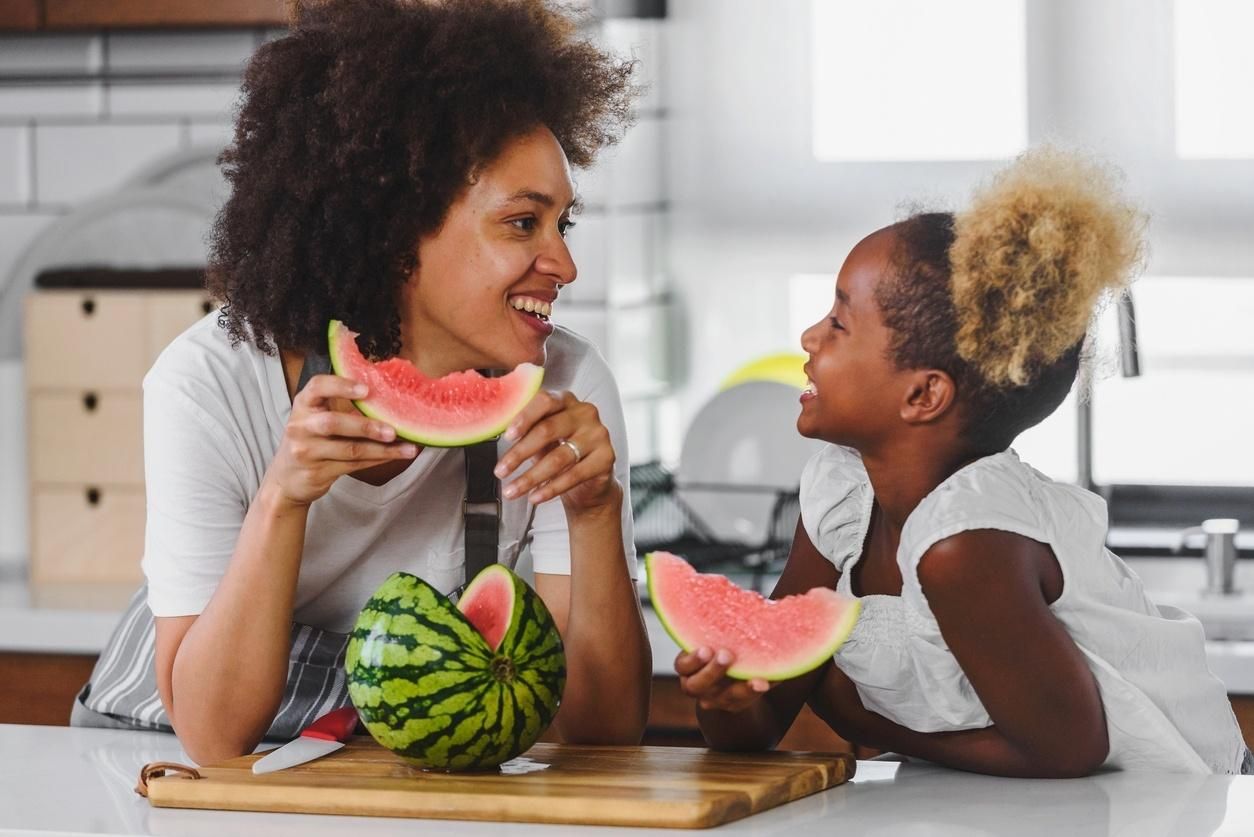
There are few elements in our diet that remain consistent throughout every stage of life. Fruit is one of them.
Often treated as something simple or just a “quick snack,” it is actually one of the most adaptable food structures we have. As the body changes, needs shift, and routines evolve, fruit remains—not just as a source of nutrients, but as a balance point between biology, behavior, and pleasure.
Where It All Begins: The First Contact with Real Food
In childhood, fruit is often one of the first foods introduced beyond breast milk. And this moment goes far beyond nutrition.
This is where taste is formed. Different textures, flavors, and temperatures create a sensory repertoire that influences choices for life. Because fruit requires chewing and respects the body’s timing, it also helps children recognize hunger and satiety cues—something many adults lose over time.
The First Challenge: Competing with the Artificial
As children grow, fruit starts competing with ultra-processed foods.
Here’s the key point: rejection of fruit is often not natural—it’s built. Frequent exposure to products with intense artificial flavors reshapes taste perception, making natural foods seem less appealing.
In other words, fruit doesn’t lose value—the environment changes the rules.
Adolescence and Adulthood: From Rejection to Strategy
During adolescence, this distance often increases. Routines become irregular, autonomy grows, and the convenience of processed foods takes over.
Many products try to imitate fruit—artificial juices, flavored yogurts, snacks—but they deliver only a simplified and unbalanced version. The impact is not just nutritional, but sensory: the connection to real flavor is lost.
In adulthood, the relationship shifts again. Fruit stops being automatic and becomes strategic. It turns into a tool: a quick snack, a way to manage hunger, a support for structuring meals.
But in that process, pleasure often takes a back seat.
Over Time, the Body Asks for Simplicity
In more sensitive phases, such as pregnancy, fruit often reappears more intuitively. The body seeks lighter, easier-to-digest, and sensorially comforting foods.
With aging, this becomes even more evident. When other foods become harder to chew or digest, fruit remains accessible. It continues to provide a sense of autonomy—simple, nutritious, and effective.
In the End, Fruit Never Left—It Just Changed Roles
Your relationship with fruit isn’t fixed. It evolves with you.
📍 If at some point you feel like you’ve lost the habit or the pleasure of eating fruit, the way back might be simpler than it seems: start with seasonality. Fruits in their natural season have more flavor, more aroma, and more presence.
Using Fruit Map to find fresh options near you can help reconnect you with that experience. Often, the issue isn’t the fruit—it’s the distance between you and its real version.
To Remember
Fruit isn’t a backup plan in your diet.
It’s a constant—the only thing that changes is how you relate to it.
References:
Brazil Ministry of Health. Dietary Guidelines for Children Under 2 Years, 2019;
Brazil Ministry of Health. Dietary Guidelines for the Brazilian Population, 2014;
Mahan, L. K.; Raymond, J. L. Krause’s Food & the Nutrition Care Process, 2018;
Monteiro, C. A. et al. Ultra-processing and nutrition. Public Health Nutrition, 2018;
World Health Organization (WHO). Fruit and vegetable consumption and disease prevention.