How to Preserve Fruit Longer Without Losing Nutrients
by Marcus Rodrigues
How to Preserve Fruit Longer Without Losing Nutrients
The abundance of a harvest is a gift—but also a challenge. Fruits have a short shelf life, and without the right techniques, much of it ends up going to waste.
More than just avoiding loss, knowing how to preserve food is a way to maintain nutritional quality and ensure access even outside the harvest season. The good news is that there are simple and effective methods you can apply in everyday life.
Freezing, Cooking, or Drying: What Actually Works
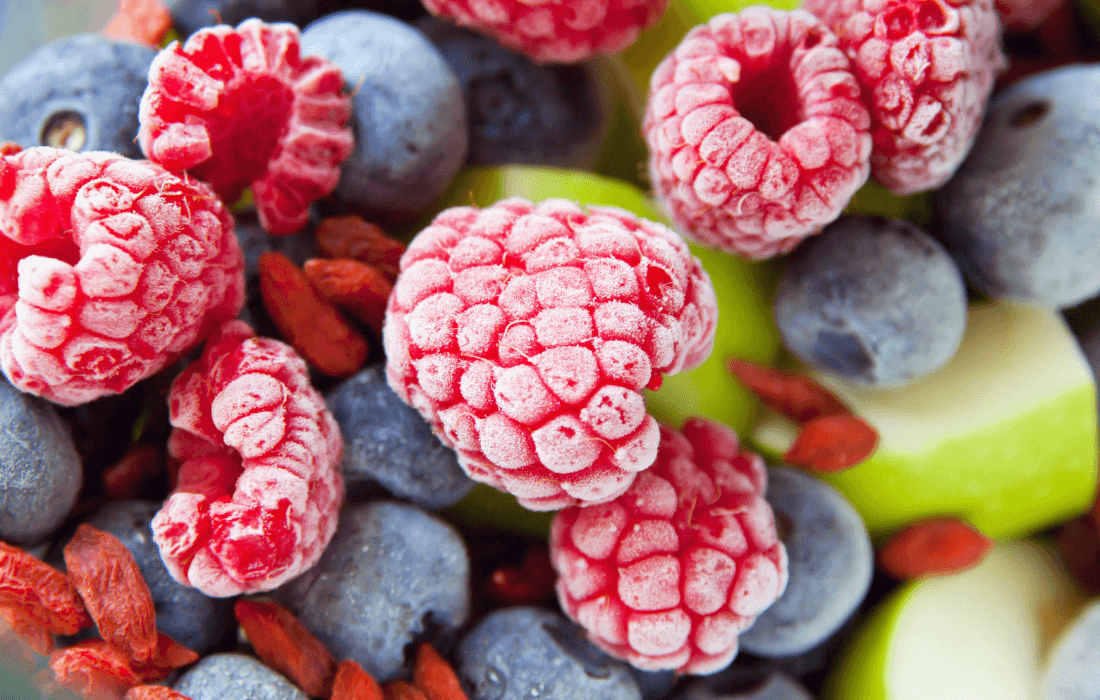
Among all methods, freezing is the most effective for preserving heat-sensitive vitamins. Low temperatures slow down chemical reactions and prevent the growth of microorganisms, keeping nutrients intact for longer.
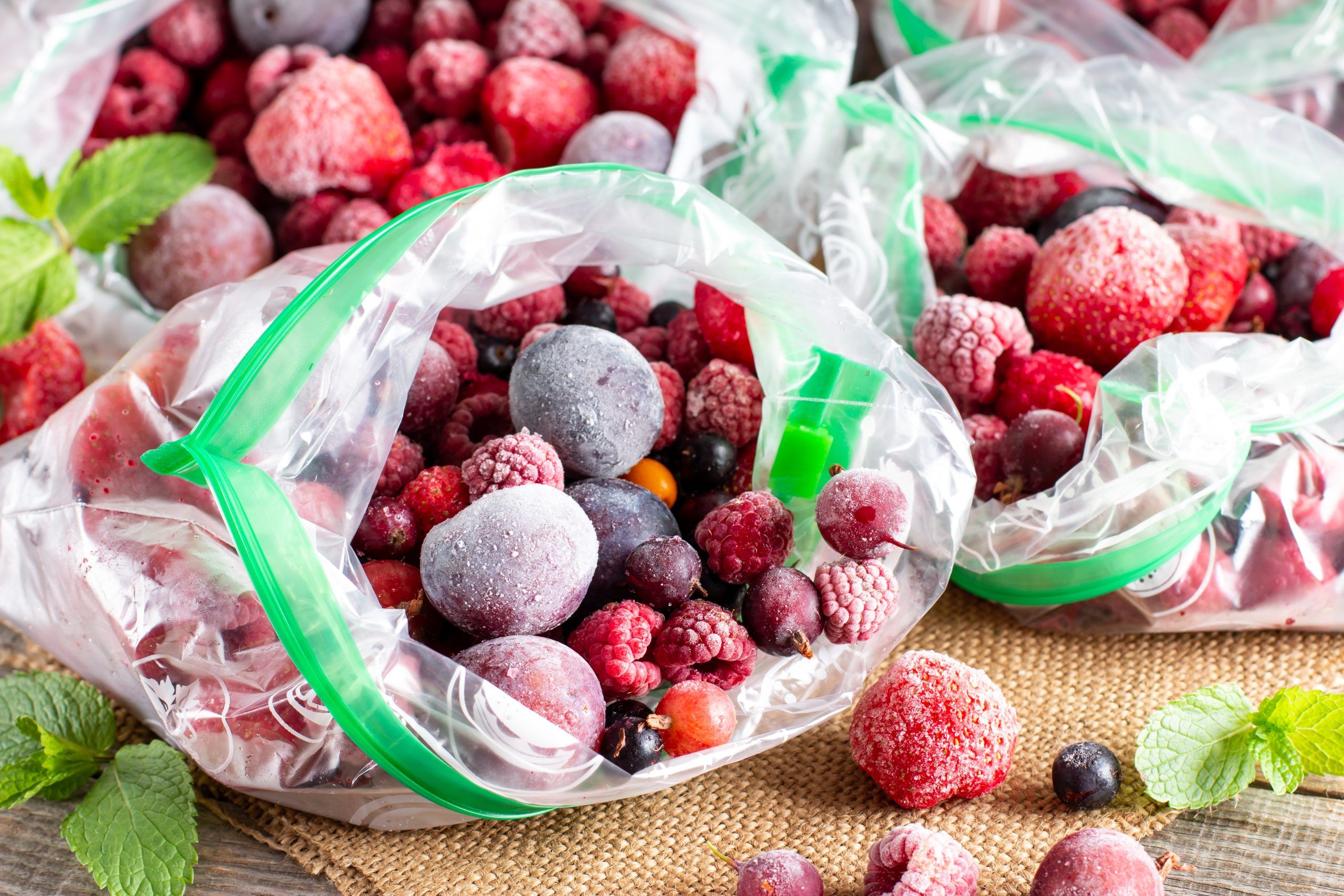
In practice, just wash, dry היט (to avoid excess ice), portion, and store in airtight containers. For fruits that brown quickly, like apples and bananas, a few drops of lemon juice help prevent oxidation.
Another option is compotes and jams, which use heat and sugar to preserve food. The principle here is reducing available water, creating an environment that inhibits microbial growth.
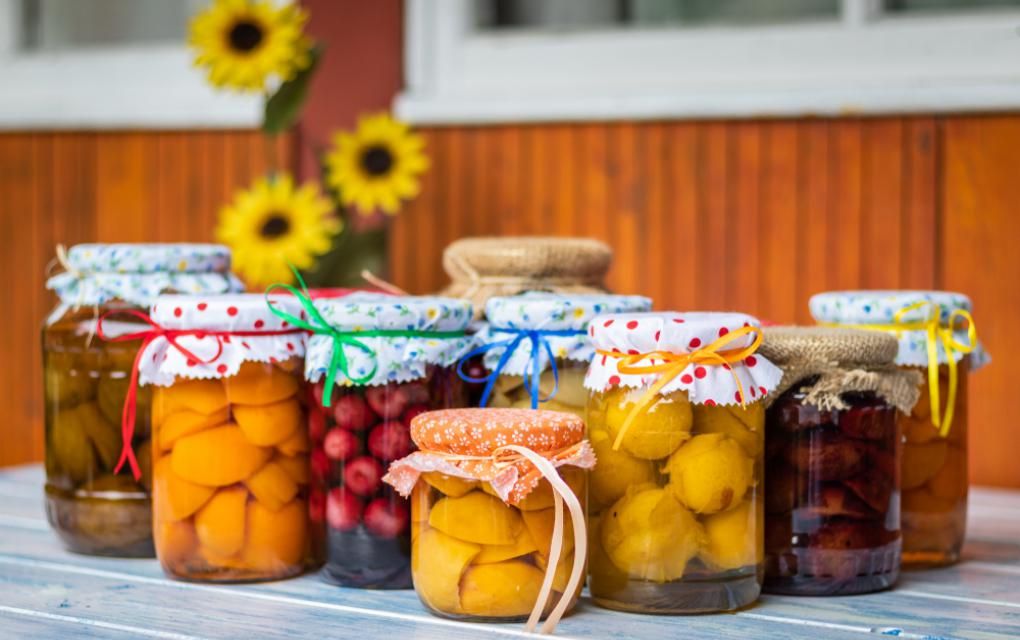
Although some vitamin C is lost during cooking, other nutrients become more concentrated, and shelf life increases. The critical point here is storage: use sterilized glass jars and, if possible, apply a vacuum process (water bath canning) to improve safety.
Dehydration removes water from food, concentrating both flavor and nutrients. The result is lightweight, long-lasting fruit that’s easy to store and transport.
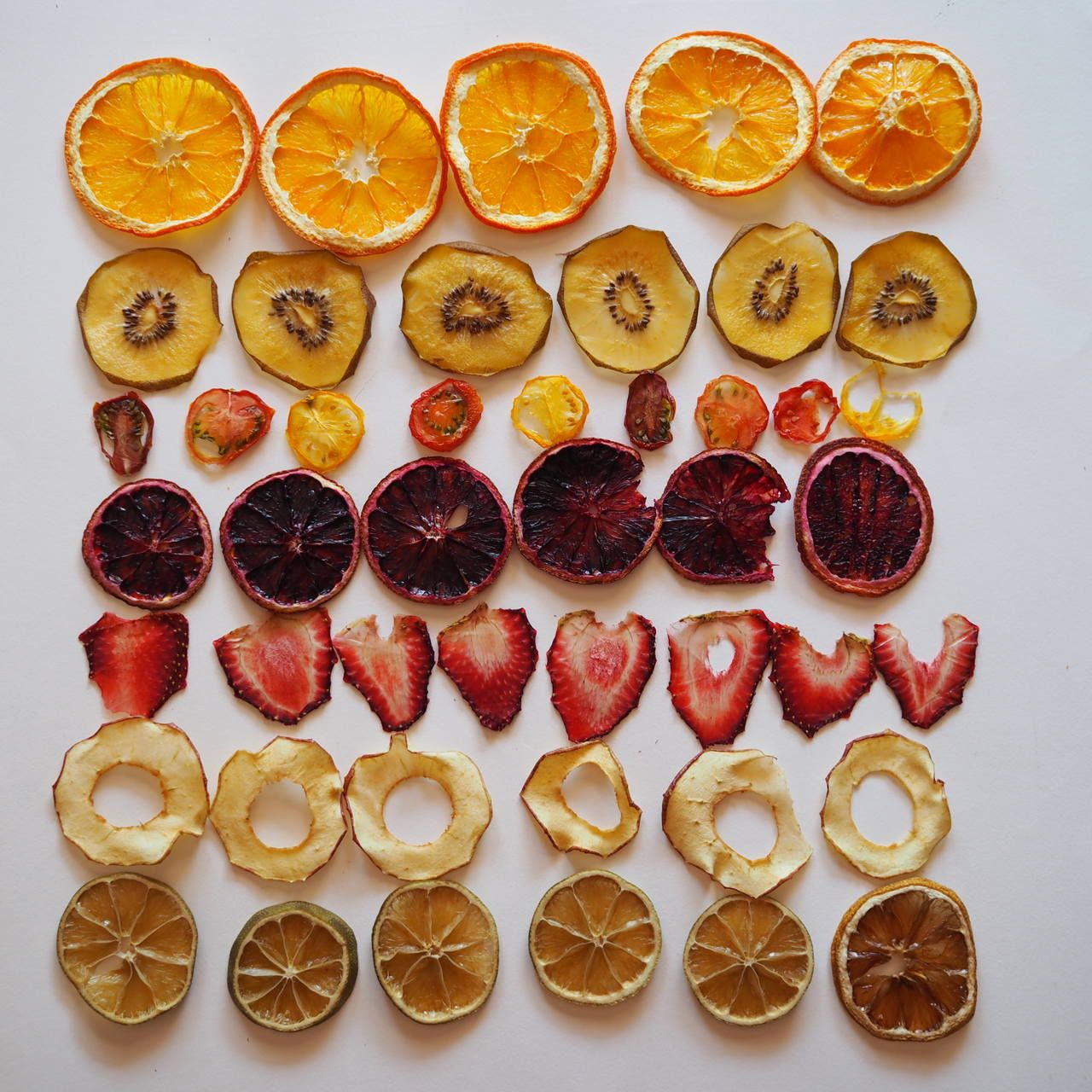
You can do this in a low oven (around 60°C / 140°F, with the door slightly open) or with a dehydrator. The key is to cut thin, uniform slices for consistent results.
First Things First: Proper Cleaning
Regardless of the method, everything starts with proper cleaning.
The ideal process includes rinsing under running water to remove visible dirt, followed by sanitizing in a chlorine solution (1 tablespoon of sodium hypochlorite per 1 liter of water for 15 minutes). Then rinse thoroughly to remove any residue.
This step ensures safe preservation—without it, any method loses effectiveness.
The Key Point: Preservation Extends Value, Not Just Shelf Life
Preserving food isn’t just about avoiding waste—it’s about extending the nutritional and functional value of what you eat.
By making the most of a harvest, you reduce waste, save money, and maintain a more consistent diet over time.
📍 Practical tip: if you have access to fruit-laden trees or come across abundance, use Fruit Map to share it. That way, more people can harvest, preserve, and enjoy it before it’s lost.
To Remember
Good fruit isn’t just what you eat fresh—it’s what you know how to preserve.
Those who know how to store food eat better all year long.
References:
ANVISA. Guide to Good Practices for Food Services. 2nd ed., 2024;
BARRETT, D. M.; LLOYD, B. Advanced preservation methods and nutrient retention in fruits and vegetables. Journal of the Science of Food and Agriculture, 2022;
FARDET, A. The food matrix effect: A new empirical paradigm to protect human health and food systems. Frontiers in Nutrition, 2023;
NUNES, M. C. N. et al. Stability of bioactive compounds in frozen fruits and vegetables. Current Opinion in Food Science, 2022;
SAMPATH, S. et al. Thermal and Non-thermal Preservation Techniques: A Review on Mechanisms and Nutrient Retention. Food and Bioprocess Technology, 2024.