Jackfruit “Pulled Meat”
by Marcus Rodrigues
Jackfruit “Pulled Meat”: How to Turn a Fruit into a Meal
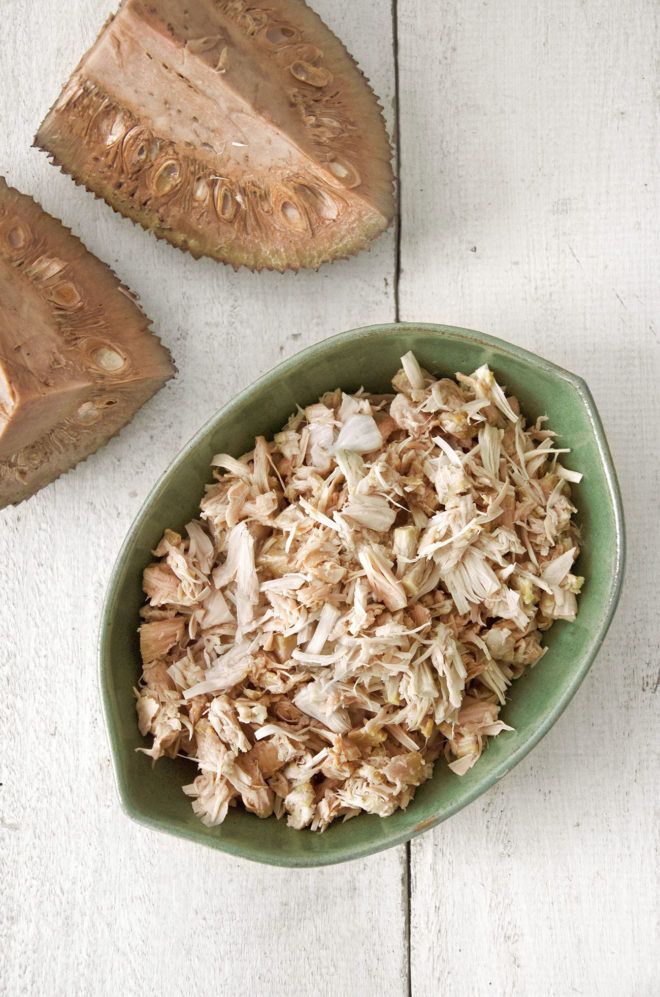
Jackfruit “meat” has gone from being just an alternative to a true star in the kitchen. What seems like magic is actually food science: the fibrous structure of unripe (green) jackfruit mimics the texture of shredded meat, while its neutral flavor easily absorbs seasonings.
Beyond its versatility, it represents a practical way to use this abundant fruit and bring more sustainability into your diet.
First Things First: Finding the Right Jackfruit
Before thinking about the recipe, the first step is finding the ingredient—and often, it’s closer than you think. Jackfruit trees are common in urban areas and tend to produce in large quantities.
Using Fruit Map can make this easier, helping you locate nearby trees and even share harvesting spots with others.
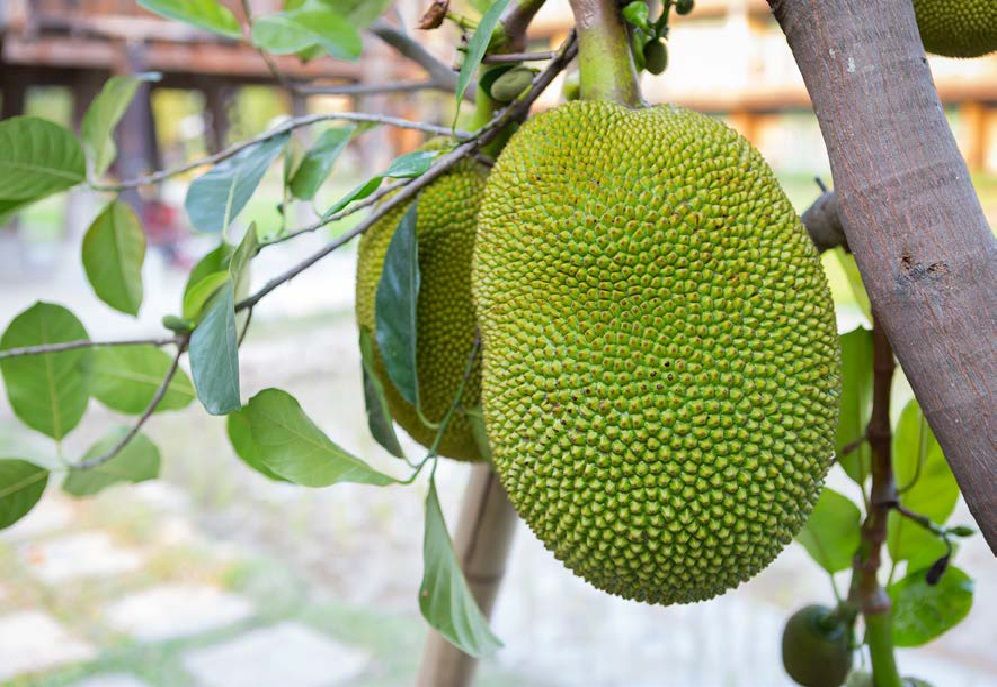
But pay attention: for this preparation, the right choice makes all the difference. The jackfruit must be unripe (green).
It should have firm, green skin, tightly closed spikes, and almost no aroma. If it’s already sweet and fragrant, it’s too ripe for savory use. Smaller to medium fruits are usually easier to handle and contain less resin.
How to Handle the Resin Without the Mess
Anyone who has tried cutting jackfruit knows: the latex sticks to everything.
The solution is simple and effective. Before starting, rub vegetable oil on your hands, knife, and cutting board. This creates a barrier that prevents the resin from sticking.
If it still gets sticky, avoid water at first. Apply more oil, wipe with paper towels, and only then wash normally. This small step saves a lot of frustration.
From Fruit to “Meat”: The Process
The process is simpler than it looks—and a pressure cooker does most of the work.
Cut the jackfruit into large chunks and cook under pressure with water and a drizzle of oil for about 30 to 40 minutes after it reaches pressure. This breaks down the fibers, creating the ideal texture.
Then drain, remove the peel and hard core. The remaining flesh easily shreds with a fork, creating that signature pulled texture.
And don’t discard the seeds: rich in starch and protein, they can be cooked and eaten like nuts.
How to Use It (and Where It Shines)
Green jackfruit works as a neutral base—almost like a culinary blank canvas. It absorbs flavors easily and can replace meat in a variety of dishes.
You can use it in savory pastries, fillings, and croquettes, prepare stroganoff-style versions, or make sandwiches similar to pulled meat. A simple base with garlic, onion, tomato, and spices already transforms the flavor.
Combining it with ingredients like turmeric or chili peppers can enhance not only taste but also nutritional value.
More Than a Recipe: Using What’s Already There
In the end, jackfruit “meat” isn’t just a technique—it’s a way to rethink what’s available around you.
📍 Found a fruit-laden jackfruit tree? Use Fruit Map to mark and share it. That way, you help turn abundance into food, reduce waste, and connect more people to a natural and accessible resource.
To Remember
Jackfruit doesn’t imitate meat—it creates a new way of cooking.
Knowing how to use what nature offers is what turns ingredients into solutions.
References:
FARDET, A. The food matrix effect: A new empirical paradigm to protect human health and food systems. Frontiers in Nutrition, 2023;
RANASINGHE, R. A. S. N. et al. Nutritional and Health Benefits of Jackfruit (Artocarpus heterophyllus Lam.): A Review. International Journal of Food Science, 2019;
SIDHU, J. S. Jackfruit: Composition, Functional Properties and Applications. Encyclopedia of Food and Health, 2016;
WAGHMARE, R. et al. Jackfruit (Artocarpus heterophyllus Lam.): an underexploited fruit—nutritional and health benefits. Journal of Food Science and Technology, 2019.