Living Soda: The Pleasure of Fermenting Fruit at Home
by Marcus Rodrigues
Living Soda: The Pleasure of Fermenting Fruit at Home
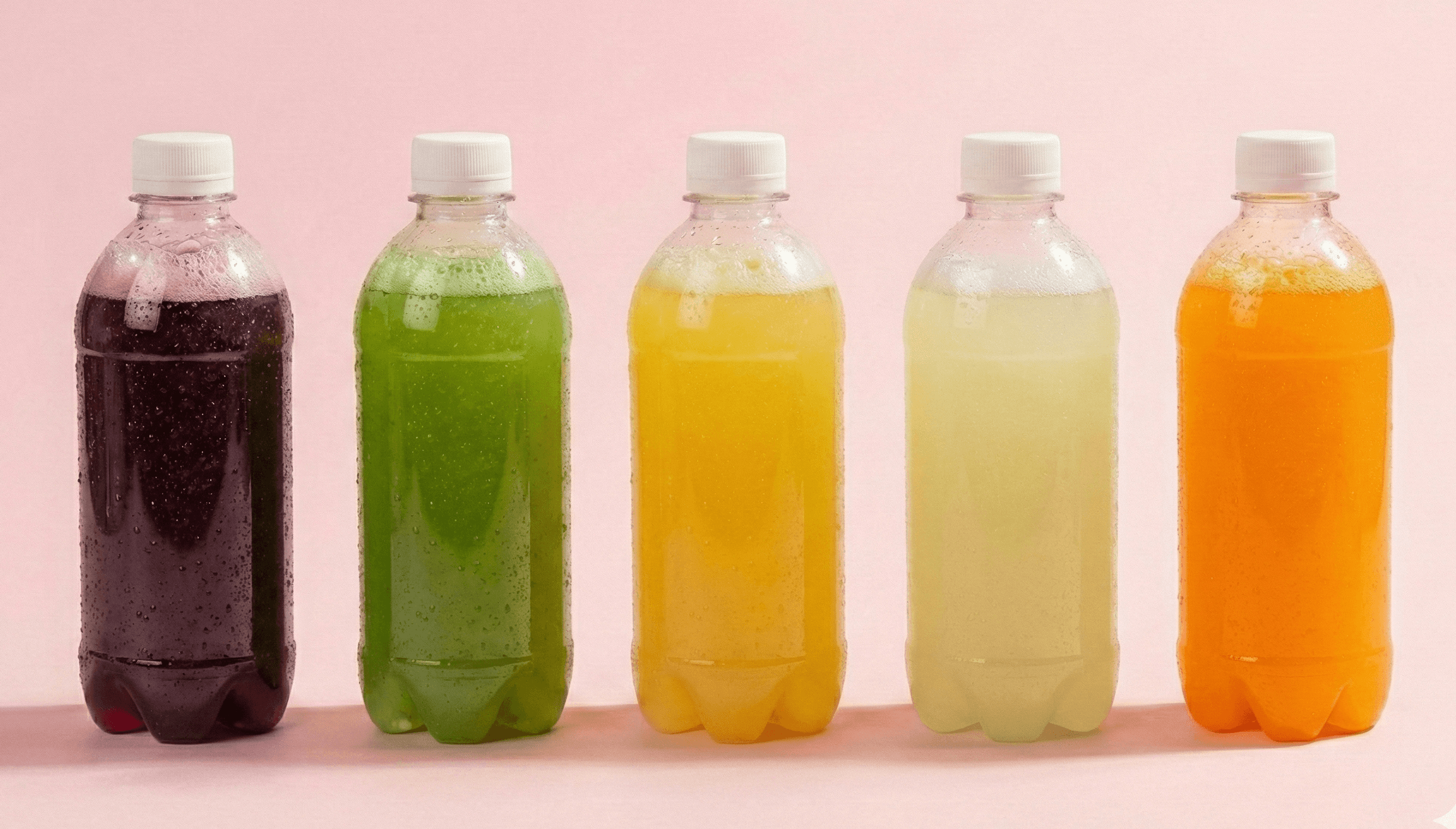
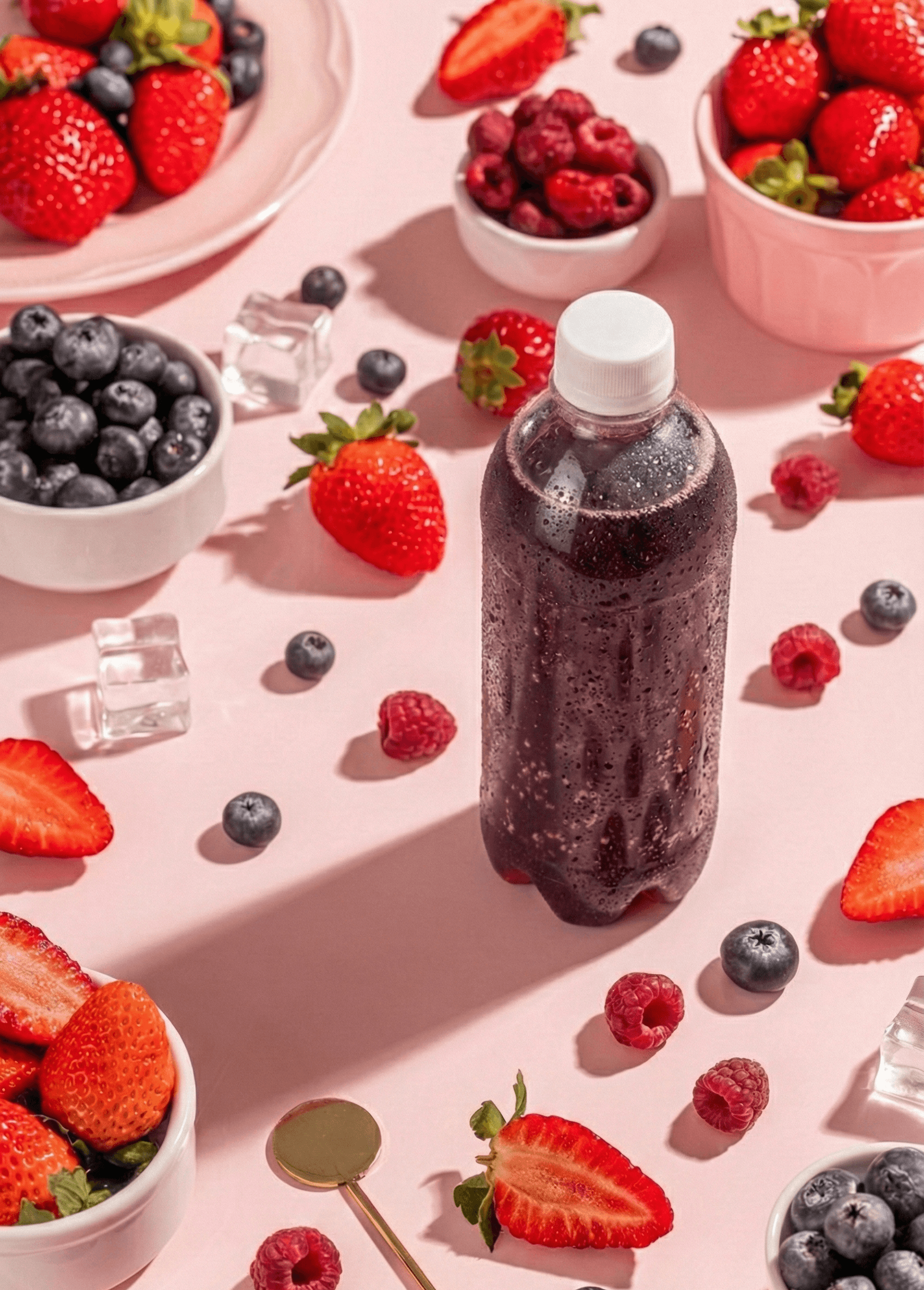
There’s a big difference between “drinking something sweet” and creating a living beverage. Natural fruit soda isn’t just a healthier alternative—it’s a small biotechnology experiment happening right in your kitchen.
Here, you don’t open a can: you activate microorganisms, turn sugar into carbonation, and build real flavor. The result is a light, slightly tangy, naturally fizzy, and functional drink.
The Foundation: Three Essential Elements
To turn fruit into a living soda, you need to understand three simple pillars:
The fruit: the soul of the drink—defines flavor, aroma, and part of the nutrients
Sugar (or a sugar source): not the villain here—it’s fuel. It feeds the bacteria that produce gas
Microorganisms (probiotics): responsible for fermentation, creating acidity, complexity, and natural CO₂
It’s this interaction that transforms a simple juice into something entirely different.
The Role of Sugar: It’s Not About Sweetness, It’s About Fermentation
In fermentation, sugar isn’t just for taste—it’s what keeps the process alive.
You can work with:
Riper fruits: naturally rich in sugars (strawberry, pineapple, blackberry)
Apple juice: a smart way to avoid added sugar
Brown sugar: for more control over the process, plus minerals that support microbial activity
Without enough sugar, there’s no carbonation. Too much, and you lose balance. The key is moderation.
From Orchard to Bottle: How to Make It
The process is simple, but small details make a big difference:
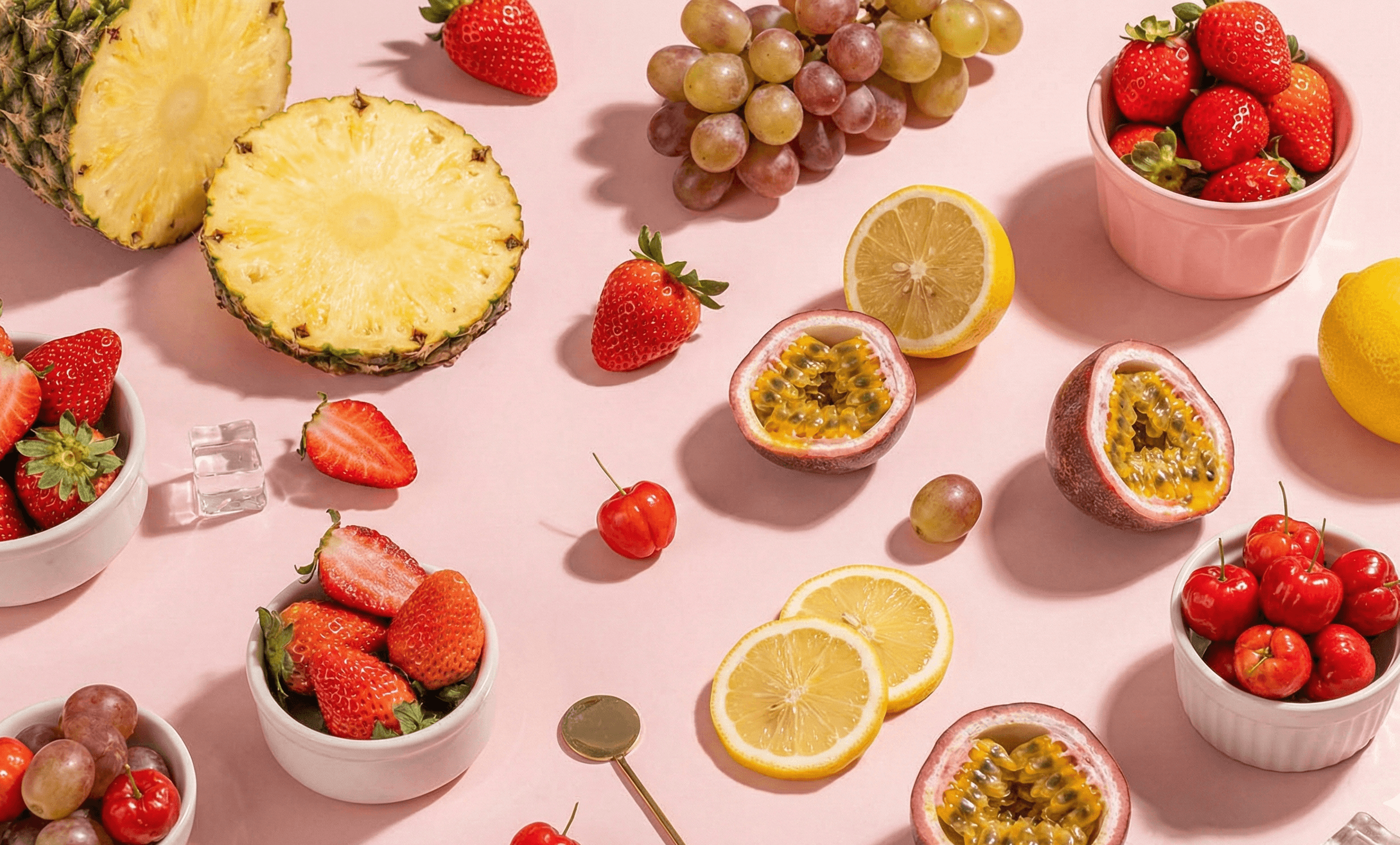
Prepare the fruit: choose your base (passion fruit, pineapple, strawberry, blackberry) and mash well to release juice
Build the mixture: add filtered water, a sugar source, and powdered probiotics
Strain (optional): for a lighter, cleaner drink
Bottle smartly: use well-sanitized PET bottles—they’re safer and let you feel the pressure buildup
Fermentation time: leave in a dark place for 24 to 48 hours
When the bottle feels firm to the touch, it’s ready. The fridge acts as a brake, slowing fermentation and stabilizing flavor and carbonation.
What Happens Inside the Bottle (and Why It Matters)
During this time, an invisible transformation takes place:
- Bacteria consume sugar
- Produce organic acids (slightly tangy flavor)
- Release CO₂ (natural carbonation)
The result isn’t just a fizzy drink—it’s a functional beverage that interacts with your gut microbiota.
Safety and Control: The Part Most People Ignore
Fermentation is simple, but it’s not careless.
A few precautions prevent problems:
Don’t use glass at first: pressure can build up too much
Check smell and appearance: aroma should be pleasantly acidic, never rotten
Respect the timing: over-fermentation can lead to excessive gas or off flavors
Nutrition Tip
Want to take it up a notch? Combine fruits:
- Pineapple + mint → refreshing and digestive
- Strawberry + lemon → more acidic and balanced
- Passion fruit + ginger → intense and functional
This is where you stop consuming ready-made flavors and start creating flavor.
📍 Want to take it even further? Use Fruit Map to find fresh fruit in your area and experiment with seasonal ingredients. The fresher the fruit, the more alive the result.
References:
FARDET, A. The food matrix effect: A new empirical paradigm to protect human health and food systems. Frontiers in Nutrition, 2023;
NILSSON, L. et al. Probiotic fermentation of fruit beverages: Impact on bioactive compounds and sensory properties. Food Research International, 2021;
SANTOS, T. et al. Probiotic-fermented fruit juices: Recent advances in product development and health benefits. Trends in Food Science & Technology, 2022;
WANG, J. et al. Carbonation in fermented beverages: Influence of probiotic strains and sugar sources. Journal of Functional Foods, 2024.