Nutritional Upgrade
by Marcus Rodrigues
Nutritional Upgrade: How to Use Fruit to Boost Any Dish
Eating well doesn’t have to mean bland meals. Modern nutrition shows that it’s possible to increase the biological value of almost any recipe—from sauces to desserts—by using fruit as a strategic ingredient.
In practice, enriching a dish is simple: you increase the density of fiber, vitamins, and minerals without losing (and often even improving) flavor and texture.
Transforming Your Cooking: Techniques That Actually Work
Some strategies stand out because they combine practicality with real nutritional impact.
Green banana biomass is one of the best examples. It works as a true “wildcard”: it doesn’t change flavor but improves the texture of recipes like sauces, stroganoff, and pasta. It’s also rich in resistant starch, a prebiotic fiber that feeds gut microbiota and helps regulate blood sugar and cholesterol.
Another underrated tool is freezing. Contrary to popular belief, freezing fruit doesn’t “kill” nutrients—it actually preserves most vitamins and fully maintains fiber content. In practice, this allows you to make smoothies, sorbets, or even frozen snacks (like grapes or mango chunks) with great texture and satiety.
Smart Substitutions That Improve Recipes
Functional cooking—especially plant-based—has shown that fruit can replace classic ingredients without compromising quality.
Avocado, for example, can take the place of butter in creamy preparations, bringing monounsaturated fats and micronutrients instead of saturated fat. Meanwhile, applesauce works as a structural base in cakes and muffins, reducing the need for oil and sugar thanks to its pectin content and natural sweetness.
This isn’t just about trends—it’s about fine-tuning nutritional composition.
The Detail Almost No One Uses: Fruit in Savory Dishes
Here’s one of the most interesting “hacks.”
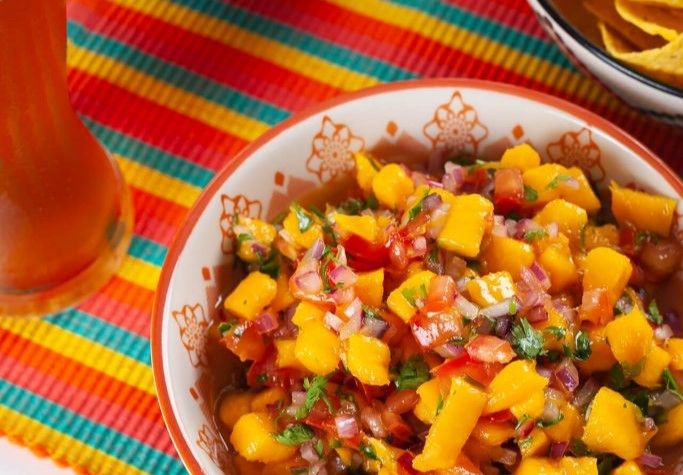
Adding citrus or tropical fruits (like orange, mango, or cashew fruit) to savory dishes isn’t just about flavor—it directly impacts nutrient absorption.
Iron from plant foods has low natural absorption. Vitamin C from fruit acts as a reducing agent, converting it into a much more bioavailable form. It’s the classic example of beans with orange slices—more scientifically sound than it might seem.
In the End, It’s About Strategy, Not Recipes
You don’t need to overhaul your entire diet. Small adjustments—like adding biomass, using frozen fruit, or combining fruit with savory dishes—can significantly change your daily nutritional impact.
The logic is simple: use fruit not just as a side, but as an active part of building your meals.
📍 Got extra fruit at home? Freeze it, turn it into biomass, or incorporate it into your daily meals. And with Fruit Map, you can find fresh, abundant fruit near you—making all of this easier to apply in real life.
References:
BOUZARI, A. et al. Vitamin retention in eight fruits and vegetables: a comparison of fresh and frozen storage. Journal of Agricultural and Food Chemistry, 2015;
DREHER, M. L.; DAVENPORT, A. J. Hass avocado composition and potential health effects. Critical Reviews in Food Science and Nutrition, 2013;
MAHAN, L. K.; RAYMOND, J. L. Krause’s Food & the Nutrition Care Process. 14th ed., 2018;
MENEZES, E. W. et al. Resistant starch in banana varieties: composition and physicochemical properties. Ciência e Tecnologia de Alimentos, 2011;
RICKMAN, J. C. et al. Nutritional comparison of fresh, frozen, and canned fruits and vegetables. Journal of the Science of Food and Agriculture, 2007;
VALENTE, A. et al. Vitamin C and carotenoids in mangoes: influence of cultivar and ripeness. Postharvest Biology and Technology, 2010;
HALLBERG, L.; HULTHÉN, L. Prediction of dietary iron absorption. The American Journal of Clinical Nutrition, 2000.