You’re Throwing Away the Most Nutritious Parts of Your Food
by Marcus Rodrigues
You’re Throwing Away the Most Nutritious Parts of Your Food
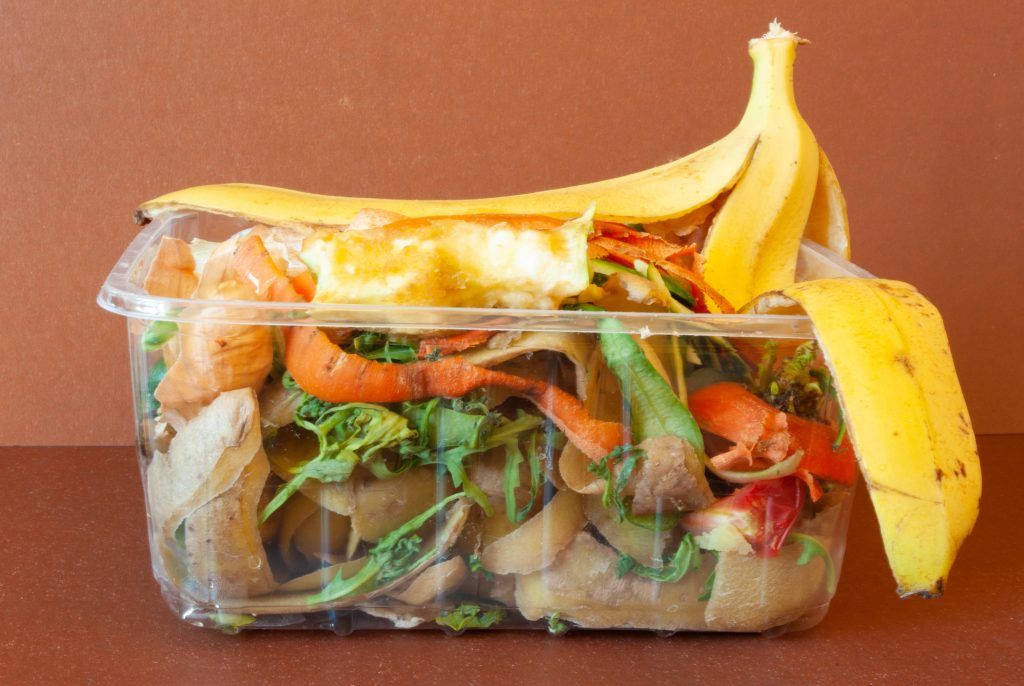
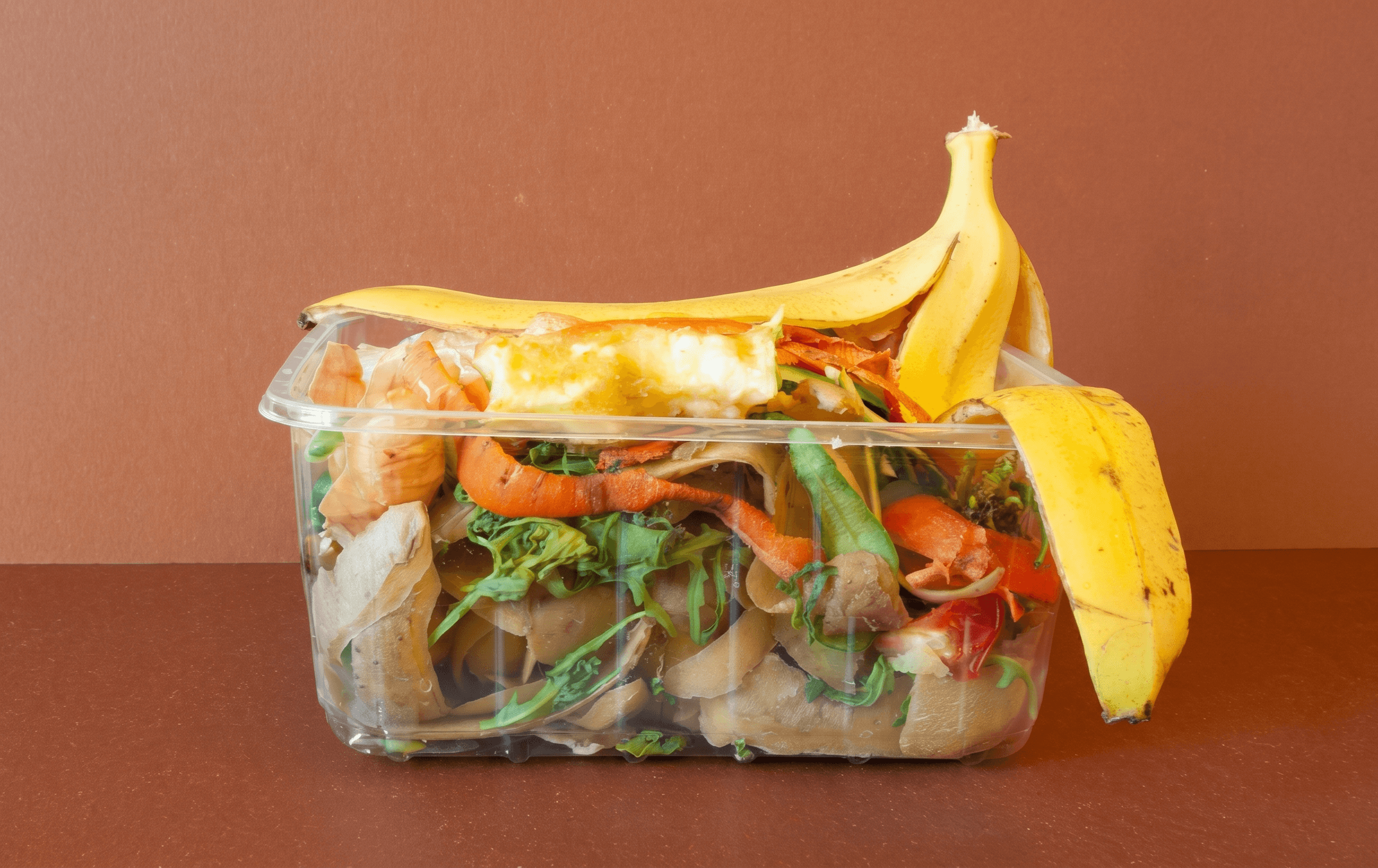
In everyday eating habits, it’s common to discard peels, seeds, and stems without a second thought. The problem is that, by doing this, you may be throwing away the most nutritious parts of your food.
Food science shows that these “non-conventional” parts often contain higher concentrations of fiber, antioxidants, and minerals than the pulp itself. That’s why whole-food utilization goes beyond saving money or reducing waste—it becomes a smart strategy to increase the nutritional density of your diet.
Where the Real Nutritional Value Is
The outer parts of foods act as a protective barrier against the environment—sunlight, pests, and oxidation. Because of this, they concentrate essential compounds for the plant’s survival—which also benefit our bodies.
Fruit peels like apple, mango, and guava are rich in insoluble fiber, important for gut function and blood sugar control. They also contain high levels of antioxidants, such as polyphenols and flavonoids—sometimes up to 10 times more than the pulp—helping combat oxidative stress.
Seeds are just as valuable. Often overlooked, they are important sources of minerals like iron and magnesium, contributing to essential bodily functions.
Safety First: How to Clean Properly
To consume these parts safely, proper cleaning is essential.
Start with a thorough rinse under running water, preferably using a brush to remove visible dirt. Then, sanitize using a chlorine solution (1 tablespoon of sodium hypochlorite per 1 liter of water) for about 15 minutes.
After that, rinse well with clean water to remove any chemical residue.
Whenever possible, prioritize organic or seasonal produce, which tends to have lower pesticide residues.
From Waste to Plate: How to Use Them in Practice
Incorporating these parts into your routine doesn’t require complex techniques—just a bit of adaptation.
Potato peels, for example, are rich in fiber and B vitamins. They can be kept in dishes or even baked into a crispy, nutritious snack.
Watermelon rind, especially the white part, contains citrulline—a compound that supports circulation. It can be sautéed, pickled, or added to juices.
Jackfruit seeds, often discarded, are rich in resistant starch and protein. When cooked, they have a flavor similar to chestnuts and can be eaten as a snack or turned into flour for recipes.
Less Waste, Smarter Nutrition
Adopting whole-food utilization is a simple way to reduce organic waste while extracting maximum value from each ingredient.
In the end, it’s not just about avoiding waste—it’s about changing how you see what’s on your plate. The more complete your use of food, the greater the nutritional return.
📍 Practical tip: found a fruit tree full of produce on your way? Use Fruit Map to mark it and encourage others to enjoy that abundance before it goes to waste.
To Remember
What you throw away might be exactly what your body needs.
Eating better isn’t just about choosing the right food—it’s about using it fully.
References:
AYALA-ZAVALA, J. F. et al. Agro-industrial by-products as a source of bioactive compounds. Food Research International, 2011;
FARDET, A. The food matrix effect: A new empirical paradigm to protect human health and food systems. Frontiers in Nutrition, 2023;
GUNAWAN, G. et al. Incorporating watermelon rind into jackfruit seed drink. Edufortech, 2022;
MATIAS, L. L. et al. Nutrients and bioactive compounds of pulp, peel and seed from umbu fruit. Ciência Rural, 2023;
SILVA, S. M. et al. Sustainable utilization of wild fruits and tree byproducts. Frontiers in Animal Science, 2025.