How to Tell If an Urban Fruit Is Ready to Pick
by Marcus Rodrigues
How to Tell If an Urban Fruit Is Ready to Pick
Some people start noticing fruit trees around the city and quickly run into a question nobody ever taught them.
Is this fruit ready?
The answer isn't just in the color. And it's rarely in the rush.
The fruit tells you. You just have to learn to listen.
Fruits don't ripen overnight. It's a gradual process — sugars rise, acids fall, aromas intensify, texture shifts. The plant signals each stage of that journey before you even touch it.
The first sign is usually color. Brighter, more even tones generally indicate higher concentrations of sugars and antioxidants. But color alone can mislead — some fruits ripen from the inside out, long before the skin catches up.
The second sign is aroma. Ripe fruits release volatile compounds specifically to attract whoever will carry their seeds. If you can smell it before cutting it open, that's already a good sign.
Then comes the touch. Not softness — elasticity. A gentle give that tells you the fruit is alive and ready. And there's one detail most people overlook: the connection to the branch. A ripe fruit almost offers itself. When you have to pull hard, it usually isn't time yet.
Not every fruit works the same way.
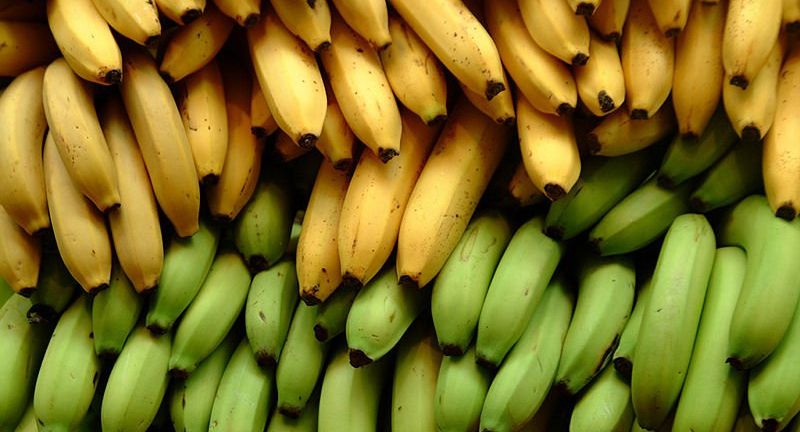
Some fruits keep ripening after they're picked. Others stop the moment they leave the tree.
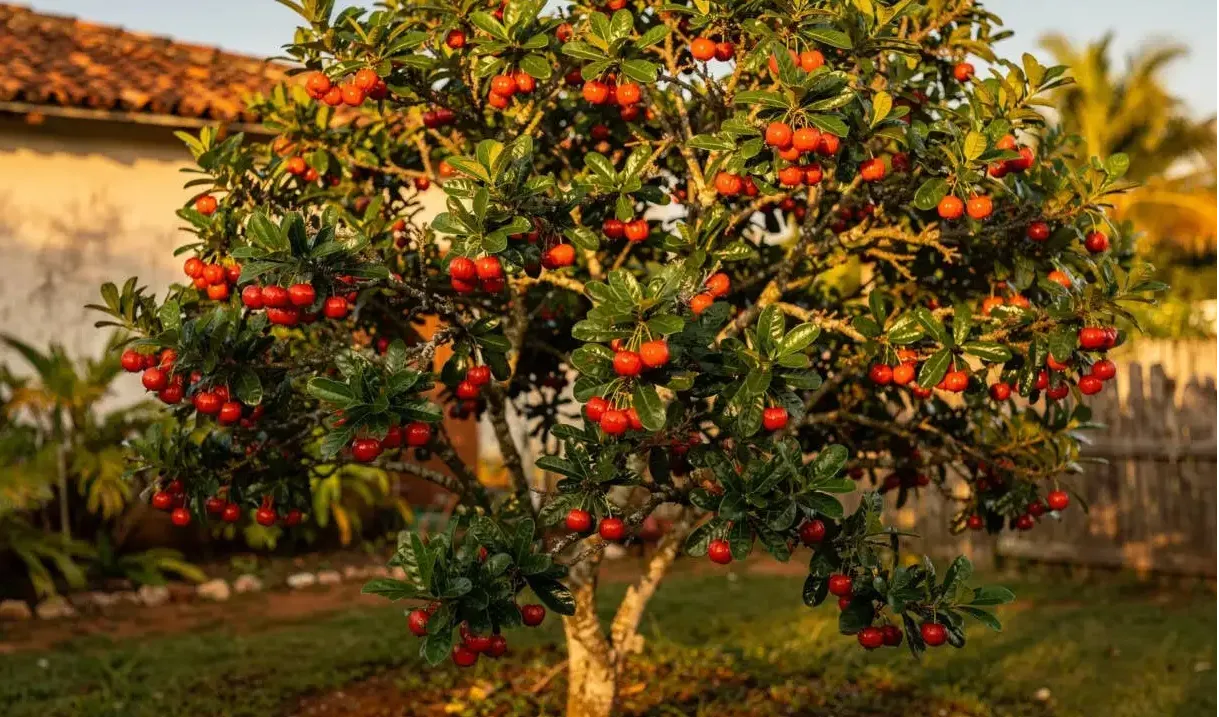
Mango, banana, papaya, avocado, and guava do well at home — you can pick them slightly underripe and let them finish on the counter. Jabuticaba, strawberry, citrus, and grapes aren't that forgiving. What you pick is what you get.
Understanding this difference changes your whole approach — and saves a lot of disappointment.
The city changes the fruit's rhythm.
Asphalt heat, pollution, uneven shade, little water. None of that is a fruit tree's natural environment. In the city, fruits can develop color quickly but take longer to build flavor. They can look ready and not be.
That's why reading the full picture matters more than following a single rule.
One thing always worth doing: fruits growing near busy streets deserve extra care in washing. Rinsing well and sanitizing before eating isn't overcaution — it's just good sense.
Animals know before we do.
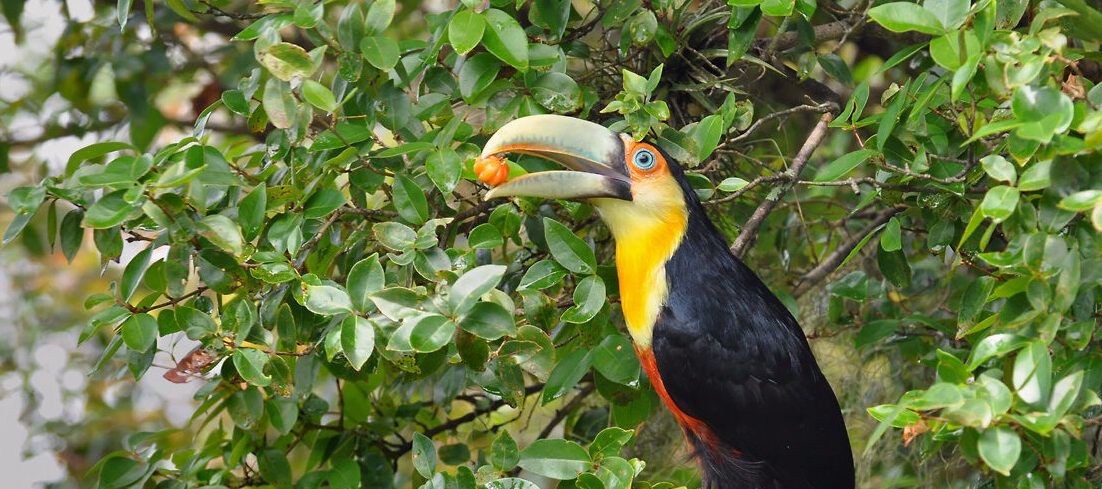
There's one indicator that works remarkably well and almost nobody mentions.
Watch the birds. The insects. The bats at night. When a tree starts getting attention, there's usually ripe fruit there. Nature detects sugar and aroma before any app or checklist ever could.
Freshly fallen fruit on the ground can also be a signal — as long as it's still intact and shows no signs of rot.
Picking well means joining the cycle.
Urban fruit isn't decoration. It follows its own time — flowering, ripening, falling. When you learn to read these signs, you stop just "grabbing fruit" and start understanding the plant.
📍 Fruit Map can help with exactly that: finding trees at the right moment, tracking harvest seasons, and sharing spots where fruit is ripe before it goes to waste.
A good fruit rarely announces itself.
It ripens slowly — and always leaves clues for those who learn to look.
References: CHITARRA, M. I. F.; CHITARRA, A. B. Postharvest of Fruits and Vegetables. 2nd ed. UFLA, 2005 · KADER, A. A. Fruit Maturity, Ripening, and Quality Relationships. Acta Horticulturae, 1999 · WILLS, R. et al. Postharvest. 6th ed. CAB International, 2007 · TAIZ, L. et al. Plant Physiology and Development. 6th ed. Artmed, 2017.